Zoning compliance review Committee of Adjustment support Retroactive legalization

Legalize your secondary dwelling unit the right way

Legalizing an existing unit usually means fixing egress, fire separation and ceiling height, then filing a retroactive permit, which can be issued in weeks. A lot that needs a Committee of Adjustment variance adds about 2-4 months. Second Dwelling Unit Ottawa handles both.
Permit in weeks if no variance is needed
Add 2-4 months for a Committee of Adjustment
We scope only what the code requires

Get your free quote

Tell us about your project and we'll reply within 24 hours.

What can we help with?

So the right crew reviews your project.

Written quote within 2 business days. No obligation.

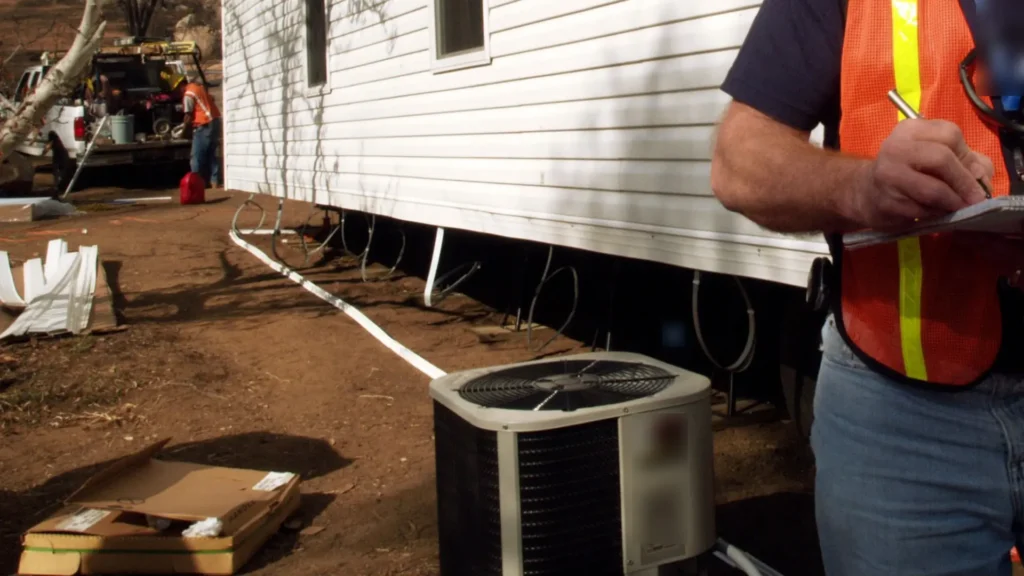
Inspector in a safety vest taking notes beside a home during an inspection
More about this service

What legalization involves

A secondary dwelling unit that was built without a permit is not automatically illegal forever – but it is not automatically safe to rent out, insure, or sell without disclosure either. Legalization is the process of closing that gap: bringing the unit’s paperwork, and where necessary its construction, up to what the City of Ottawa actually requires.

Every legalization starts with the same question a new build starts with: does this property’s zoning permit an Additional Dwelling Unit here, at this size, with this parking arrangement? Ottawa amended its zoning by-law in 2023 to align with the province’s Bill 23, permitting up to three dwelling units as-of-right on most residential lots (the main house plus two additional units), and in January 2026 council removed minimum parking requirements in urban and suburban areas (rural lots still need one space per unit). Between the two changes, a unit that would not have qualified a few years ago sometimes does now. We check current zoning against your specific lot rather than assuming an older ruling still applies.

Not every lot meets the standard provisions for an ADU as-of-right – a narrow lot, an oddly shaped rear yard, or an existing structure that’s already close to a setback line can all trigger the need for a Committee of Adjustment minor variance. That process involves a public notice to neighbours and a hearing before a committee, which is different from a routine building permit review. We prepare the application, the supporting drawings, and represent the file at the hearing.

What legalization covers

Zoning compliance review

We confirm whether your existing or planned unit meets the City of Ottawa's Additional Dwelling Unit provisions.

Committee of Adjustment

If your lot needs a minor variance, we prepare and present the application.

Building permit filing

Retroactive or new-build permit applications, filed and tracked to sign-off.

Why legalize an existing unit

Insurance coverage

Most home insurance policies exclude damage tied to an unpermitted rental unit – legalizing it closes that gap.

Clean title for resale

A legal, permitted unit is disclosed and documented, instead of becoming a buyer's negotiating point.

Enforcement risk

An unpermitted unit can be the subject of a City of Ottawa property standards complaint, usually triggered by a neighbour or an insurance claim.

What your quote covers

Every project starts with a written scope and price for your property, before any work begins.

Included

  • Included: Zoning compliance review
  • Included: Assessment of the existing unit against current code
  • Included: Committee of Adjustment application and hearing, if needed
  • Included: Building permit filing, tracked to sign-off

Not included

  • Not included: Land, property tax and financing costs
Inspector in a safety vest taking notes beside a home during an inspection
How it works

What legalization does not promise

Legalizing a unit does not guarantee a specific rent amount or resale value, and we do not represent it that way. What it does is convert an unpermitted structure into one that is documented with the City, eligible for standard home insurance coverage, and disclosed accurately if you sell.

Legalization questions

Ask about your own lot and we’ll reply within 24 hours.

Book a free feasibility check
I already have a basement apartment that was never permitted. Can it be legalized?

In most cases yes, if it can be brought up to current fire and building code requirements – egress, fire separation, and ceiling height are the usual sticking points. We assess the existing space and tell you what would need to change before filing a retroactive permit.

What is a Committee of Adjustment minor variance and when do I need one?

It is a request to City Hall for permission to deviate from a specific zoning rule – most often lot coverage, setback, or unit height – when a property does not meet the standard provision. Not every ADU needs one; a feasibility review confirms whether yours does.

How long does the legalization process take?

A straightforward building permit with no variance needed can be issued in a matter of weeks. A project that requires a Committee of Adjustment application typically adds two to four months, since it involves a public notice and hearing.

What does bringing an existing unit up to code involve?

A basement apartment that predates current code often falls short on a handful of specific items: a second means of egress separate from the main house's exit, fire-rated separation between the two units, adequate ceiling height, and sometimes window sizes in bedrooms. None of these are usually a full renovation – a new egress window well, a fire-rated ceiling assembly, an added smoke and carbon monoxide interconnection – but they are non-negotiable for a permit to be issued. We assess what's actually there and scope only the work needed to meet the requirement, not a full remodel.

Not sure if your unit needs legalization?

We will review your property against current zoning and tell you exactly what's needed.

Back to top