Most Vanier projects are basement apartments: a new conversion ($90-$220 per sq ft, 3-5 months) or legalizing an existing unit, often by adding egress and fire separation. Second Dwelling Unit Ottawa designs, permits and builds them in Vanier.
Many existing units can be legalized
Narrow urban lots
Free site visit to confirm your lot
Get your free quote
Tell us about your project and we'll reply within 24 hours.
Written quote within 2 business days. No obligation.
About this area
ADU building in Vanier
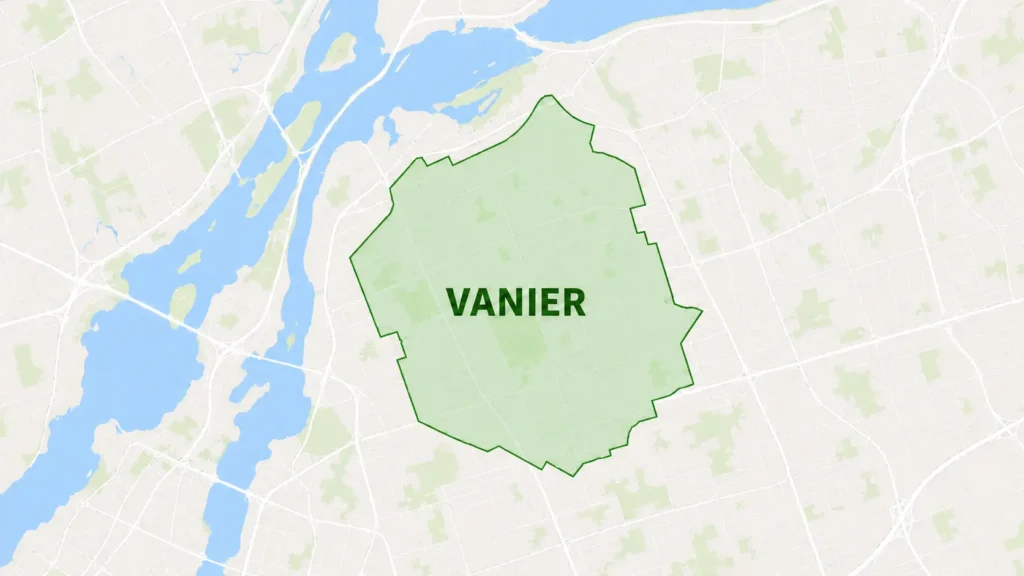
Vanier is covered by the City of Ottawa’s Rideau-Vanier ward, one of the city’s older inner neighbourhoods just east of the Rideau River, with a housing history and rental market shaped by its long-standing role as one of Ottawa’s most affordable places to rent close to downtown.
Recent project
Recent Project in Vanier
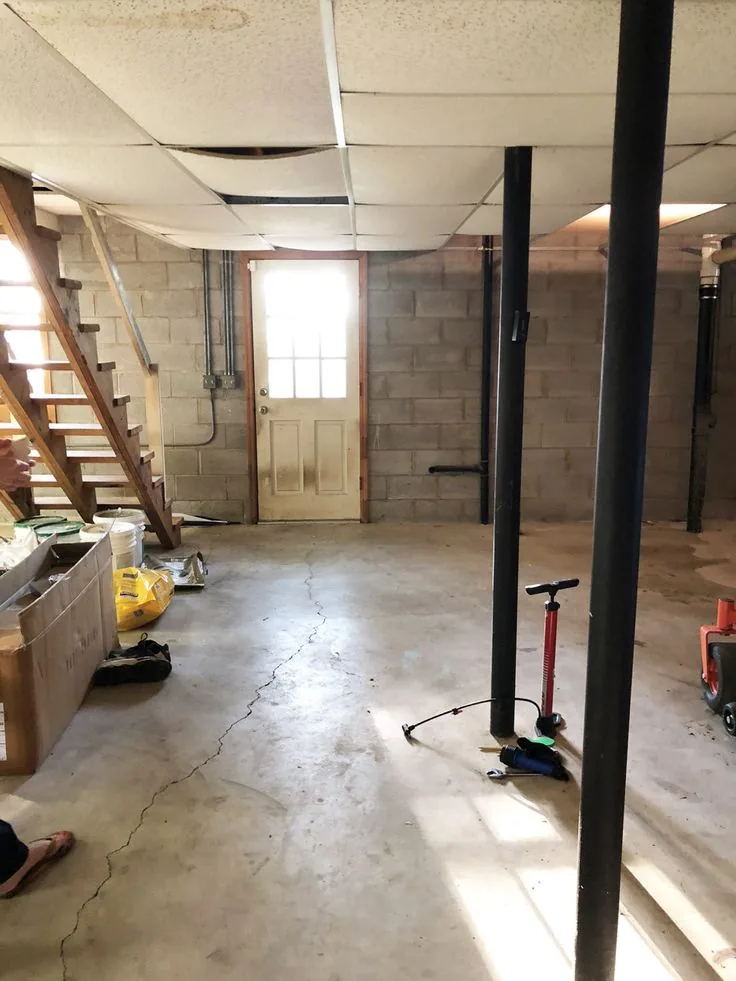
A basement in Vanier at the start of a conversion. The space has block foundation walls, steel support posts and its own door to the outside, and part of the old drop ceiling is already removed.
What makes Vanier different
Older lots, a long rental history
Vanier's housing stock is largely early-to-mid-20th century, on narrower urban lots with limited rear yard depth once modern setbacks apply – closer in profile to Centretown than to a suburban subdivision. Combined with a long history of secondary suites and duplex-style living already common in the neighbourhood, basement apartment conversion is by far the most frequent ADU project here.
A high share of existing, unpermitted units
Vanier has one of Ottawa's higher concentrations of basement units that have been rented informally for years without ever going through a permit process – often predating current fire and egress requirements by decades. Legalizing one of these is usually less about a full renovation and more about closing specific gaps: an egress window that doesn't meet current size requirements, a fire separation assembly that was never installed, or a second exit that was never added.
We start with a site visit
Vanier's existing basement conditions and permit history vary property to property – the first step on any property is a site visit to measure your actual lot and confirm what your specific zoning allows.
What a Vanier legalization project usually involves
Because so many Vanier basement units were finished informally over the years, a legalization project here often starts with an assessment of what's already built rather than a blank slate. We document the existing layout, identify what does and doesn't meet current code, and file a retroactive permit application covering only the changes actually required.
Vanier ADU question
My Vanier duplex has a basement unit that's been rented for years without a permit – is it too late to legalize it?
No – there's no time limit on legalizing an existing unit. We assess it against current egress and fire separation requirements the same way we would a brand-new conversion, and scope only what's needed to bring it up to standard.
Why are more Vanier homeowners legalizing their units?
Vanier has seen steady reinvestment over the past decade, with older housing stock being renovated and infill development filling in some larger or vacant lots. That trend has increased both property values and scrutiny of unpermitted units – insurance and mortgage lenders are more likely to ask about a secondary suite's permit status than they were a decade ago, which is part of why legalization requests from Vanier homeowners have become more common.
Planning a project in Vanier
Vanier's location near Montfort Hospital and a short distance from downtown has long supported steady rental demand for smaller, well-priced units – part of why the neighbourhood has such a long history of secondary suites in the first place, formal or otherwise.
To provide the best experiences, we use technologies like cookies to store and/or access device information. Consenting to these technologies will allow us to process data such as browsing behavior or unique IDs on this site. Not consenting or withdrawing consent, may adversely affect certain features and functions.
Functional
Always active
The technical storage or access is strictly necessary for the legitimate purpose of enabling the use of a specific service explicitly requested by the subscriber or user, or for the sole purpose of carrying out the transmission of a communication over an electronic communications network.
Preferences
The technical storage or access is necessary for the legitimate purpose of storing preferences that are not requested by the subscriber or user.
Statistics
The technical storage or access that is used exclusively for statistical purposes.The technical storage or access that is used exclusively for anonymous statistical purposes. Without a subpoena, voluntary compliance on the part of your Internet Service Provider, or additional records from a third party, information stored or retrieved for this purpose alone cannot usually be used to identify you.
Marketing
The technical storage or access is required to create user profiles to send advertising, or to track the user on a website or across several websites for similar marketing purposes.